A Practical Guide to Custom Apparel in Calgary
How Do I Design Effective Custom Apparel for My Business?
A Practical Guide to Custom Apparel in Calgary
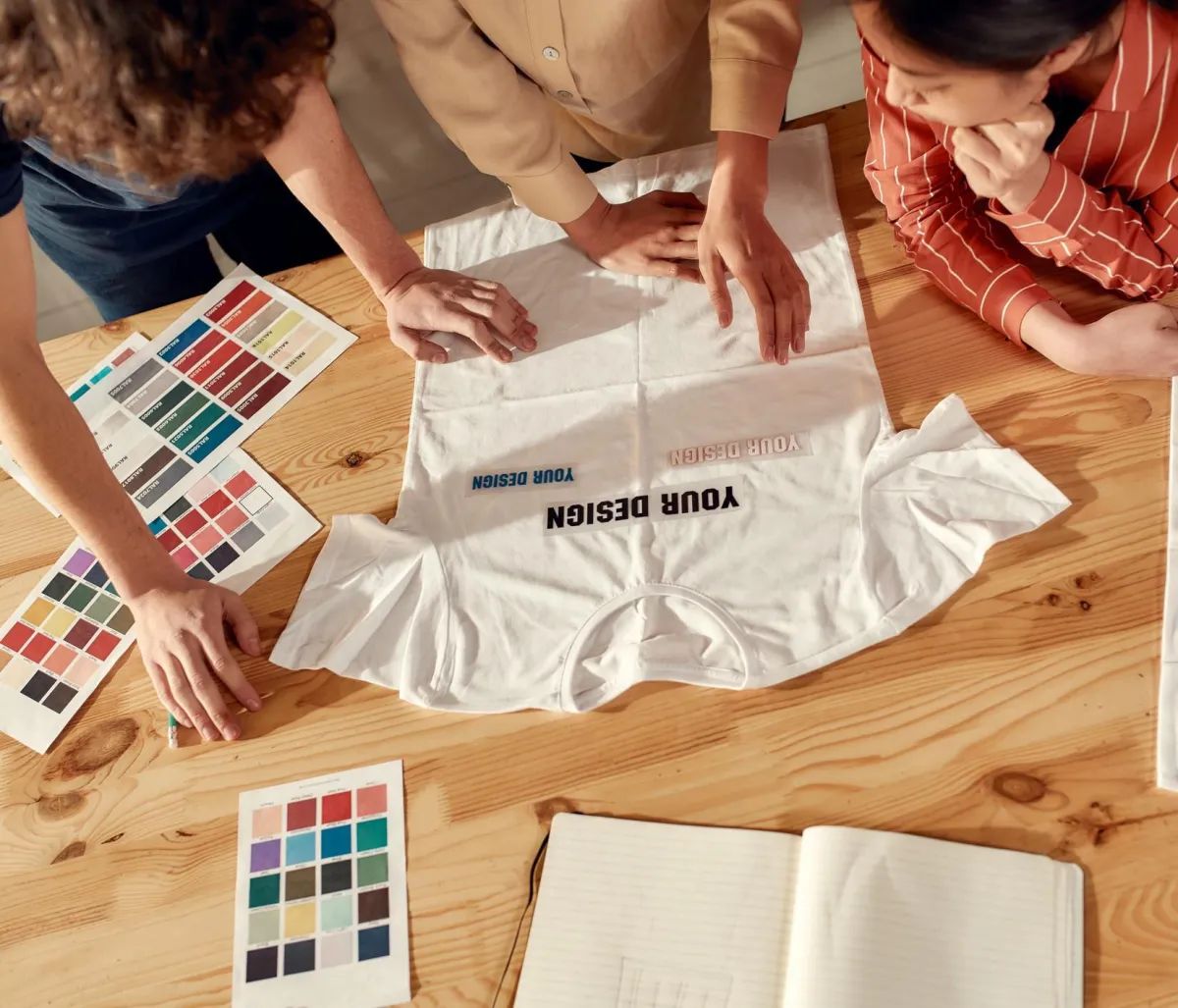
Designing effective custom apparel for your business is not just about putting a logo on a shirt. The companies that get the most value from branded apparel start with strategy first - not design files.
If you want employees to actually wear your apparel, customers to remember your brand, and your investment to last for years, there are several key design considerations you should think about before you order anything.
This guide is based on real projects, real client experiences, and what actually works in the custom apparel industry - especially for businesses ordering custom apparel, branded merchandise, and promotional products in Calgary.

Start With Research: What Apparel Do You Actually Like?
One of the first questions we ask clients is simple: What brands or apparel do you like and actually wear?
This question immediately changes the conversation. Instead of starting with a logo, you start with style, quality, and inspiration.
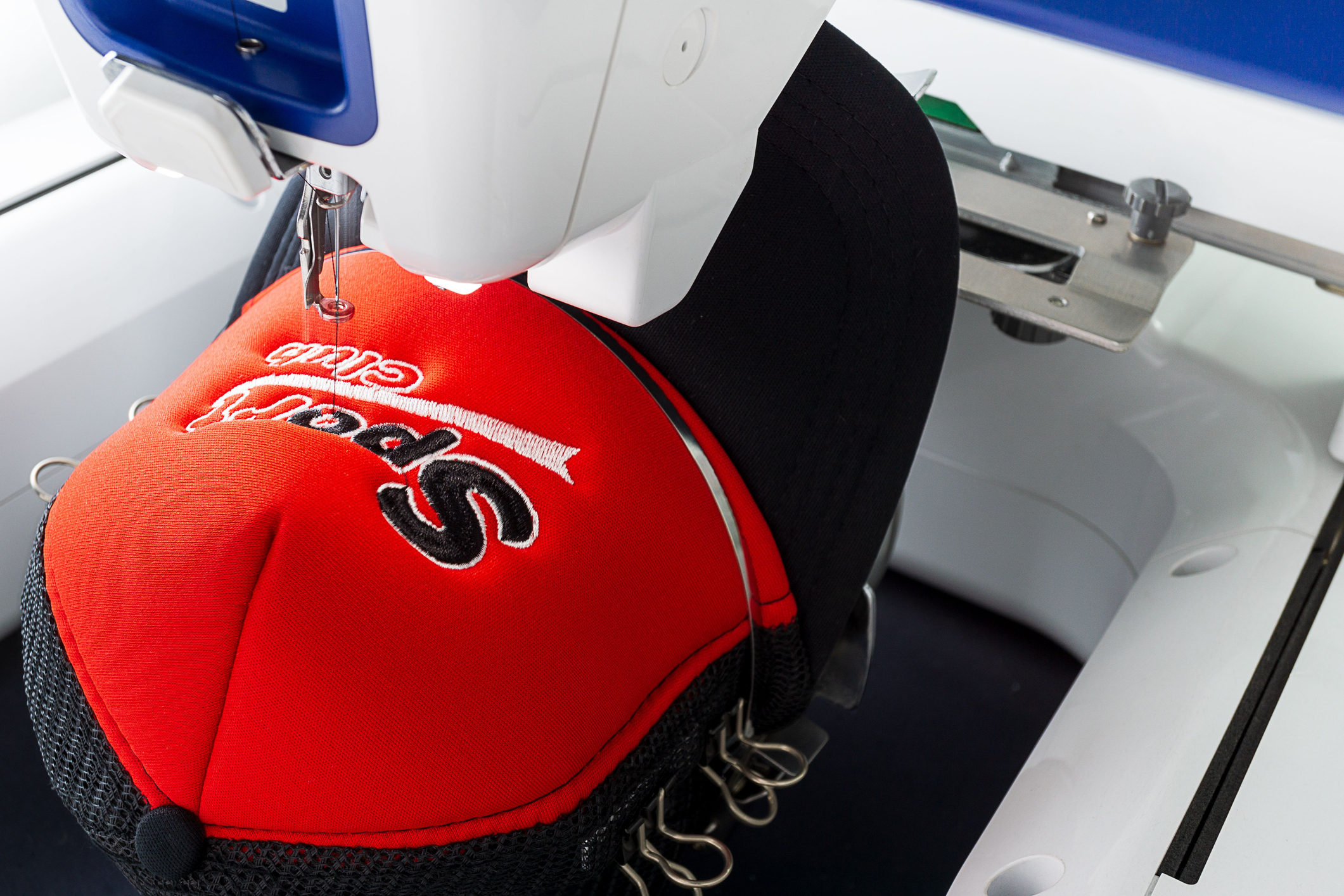
For example, we had a client who came to us and said they loved the hats worn by the Tampa Bay Rays, especially the puff embroidery and sports-team look. Because they came with a clear reference, we were able to source the right hat, match the decoration style, and cut development time in half. The end result was a hat their team was proud to wear - not just another promotional item.
Lesson: Start with inspiration and style, not just your logo.
Choose the Right Garment for Your Brand and Industry
Not every company should order the same apparel.
Think about your industry and your team:
Construction companies may prefer durable jackets, hoodies, and PVC patches
Corporate teams may prefer subtle embroidery on polos or quarter zips
Tradeshow teams often want stylish shirts, hats, and light jackets
Golf events usually require more subtle branding
Retail-style brands may want oversized prints or custom tags
Your apparel should match where it will be worn, not just where it will be ordered.
Decoration Methods Matter More Than You Think
Many people don’t realize that the material and garment construction often determine what decoration method you can use.
Common decoration methods include:
Embroidery (+ Puff Embroidery)
Screen printing
DTF (Direct to Film)
Patches (Leather, Woven, Chenille, PVC)
Embossing + Debossing
Heat transfer
For example, puff embroidery looks great on hats and heavy hoodies, but it may not work well on lightweight shirts or a poor quality beanie. Highly detailed logos may not work in embroidery due to needle size limitations, which means a woven patch or screen print may produce a much cleaner result.
The key is to decide what matters most first:
The look
The garment
The budget
The quantity
Then we can help you choose the decoration method that fits those priorities.
Logo Size and Placement: The Most Overlooked Decision
Logo placement should be guided by brand guidelines, decoration limitations, and brand personality.
Some general guidelines:
Left chest logos are typically no larger than 2.5 inches
Hat logos are usually 3.5–4 inches wide
Sleeve prints can be great for tradeshows and events
Large back prints work well for casual apparel
Golf apparel usually requires subtle branding
Tradeshow apparel can be more visible and branded
A popular combination for event staff is:
Left chest logo
Sleeve print or arm text
Optional back logo
But the most important rule is this: Placement should reflect the character of your brand. Flashy brands can go big and bold. Premium brands usually go smaller and more subtle.
Budget, Quantity, and Customization Options (Including Offshore Manufacturing)
This is one of the biggest decision points and affects everything.
If you only need 25 pieces, your customization options will be limited to stock garments and standard decoration.
If you need 500+ pieces, you can start looking at:
Custom colors
Pantone matched fabrics
Custom buttons
Custom zipper pulls
Custom labels
Custom patches
Fully custom manufactured apparel
Sometimes spending a little more can make an tangible difference. For example:
Metallic thread instead of standard thread
Chenille patch instead of embroidery
PVC patch for a rugged look
Velcro removable patches for teams who want multiple designs
A slightly larger weight of cotton or cotton blend can create an impression.
These small upgrades often make apparel feel like retail merchandise instead of promotional merchandise.
Case Study: When a Product Pivot Leads to 6,000 Hats
We had a client who originally wanted custom embossed metal campfire pans. After reviewing setup costs and expected quantities, it became clear the setup cost was too high for the demand.
Instead of forcing a bad idea through production, we pivoted to retro trucker hats that matched their brand and audience.
The result:
Over 6,000 hats ordered in their call to order
Team adoption
Ongoing reorders
Much lower upfront cost
Much higher long-term impact
Lesson: The best product is not always the most unique idea - it’s the one people will actually use and wear.
Why Most Company Apparel Doesn’t Get Worn
Most branded apparel fails for three reasons:
The garment quality is too low
The logo is too big or placed poorly
The design looks like a giveaway instead of retail apparel
If you want apparel that people actually wear, follow these rules:
The 4 Rules for Successful Custom Apparel
Know your quantity and budget first
Spend a little more to stand out
You don’t need a big brand name to get big brand quality
Begin with the end in mind - who will wear this and where?
Does your brand need to have a giant logo placement or could the gift be the gift? Make your clothing tag or card the way they remember you.
If someone gave this item to you as a gift, would you wear it?
If the answer is no, redesign it.
Work With an Apparel Partner, Not Just a Printer
The biggest difference between average results and great results is working with a company that helps you with:
Design
Garment selection
Decoration methods
Sourcing (including offshore when needed)
Kitting
Distribution
That’s how companies build branded apparel programs, not just order shirts.
Businesses in industries like construction, energy, corporate, tradeshows, and events often benefit from working with a partner who can manage custom apparel, promotional products, and branded merchandise programs long term - not just one order at a time.
Final Thoughts
Designing effective custom apparel for your business comes down to a simple idea: Good custom apparel starts with strategy, not logos.
If you think about:
Who will wear it
Where it will be worn
What style people actually like
The right garment
The right decoration method
The right quantity and budget
You will end up with apparel that people keep, wear, and remember - which is the entire point of branded merchandise in the first place.
Ready to create apparel your team actually wants to wear?
Talk to our team about your next custom apparel project in Calgary - we’ll help you choose the right garments, decoration methods, and strategy to make it a success.
