Promo & Apparel Sourcing in Vancouver: A Beginner’s Guide
Getting Started in Promo & Apparel? Learn the Basics Before You Start Ordering
If you’re new to sourcing promotional products and branded apparel in Vancouver, the process can look deceptively simple. A client wants 100 shirts, someone needs branded hats, or another customer wants 500 pens for an event next month. You find a product online, get a price, add your markup and place the order.
Simple, right?
Not quite.
The promotional products and apparel industry is built around a surprising amount of detail. The product itself is only one part of the equation. You also need to understand decoration methods, minimum order quantities, artwork requirements, sizing, colours, placement, production timelines, shipping and, perhaps most importantly, what questions to ask your client before you quote anything.
If you're just starting out, one of the best ways to avoid expensive mistakes is to learn the basics from someone who already knows the industry.
Promo & Apparel Is More Than Picking a Product
One of the biggest mistakes a new buyer can make is thinking that the job starts with finding a product. It actually starts with understanding the project and gathering the information you need before requesting a quote.
Before requesting pricing, you should know things like:
What product does the client want?
Is there a specific item number?
What size and colour is required?
How many are needed?
Where will the item be decorated?
What type of decoration is required?
How many colours are involved?
What size should the decoration be?
What artwork is available?
Where does the finished order need to go?
When does the client need it?
These details can have a direct impact on both price and production feasibility. Even something as simple as whether a logo goes on one location or two can make a difference.
That’s why experienced promotional product buyers don't simply ask, "How much are 100 shirts?" They ask a lot more questions first.
Start With the Client, Not the Catalogue
If you're sourcing promotional products for a client, start by understanding what they're actually trying to accomplish.
For apparel, one of the easiest ways to avoid problems with sizing and style is to ask whether the client has a previous sample. If they do, have them measure it so you have something concrete to work from. If they have seen something they like, ask them to send you a photograph.
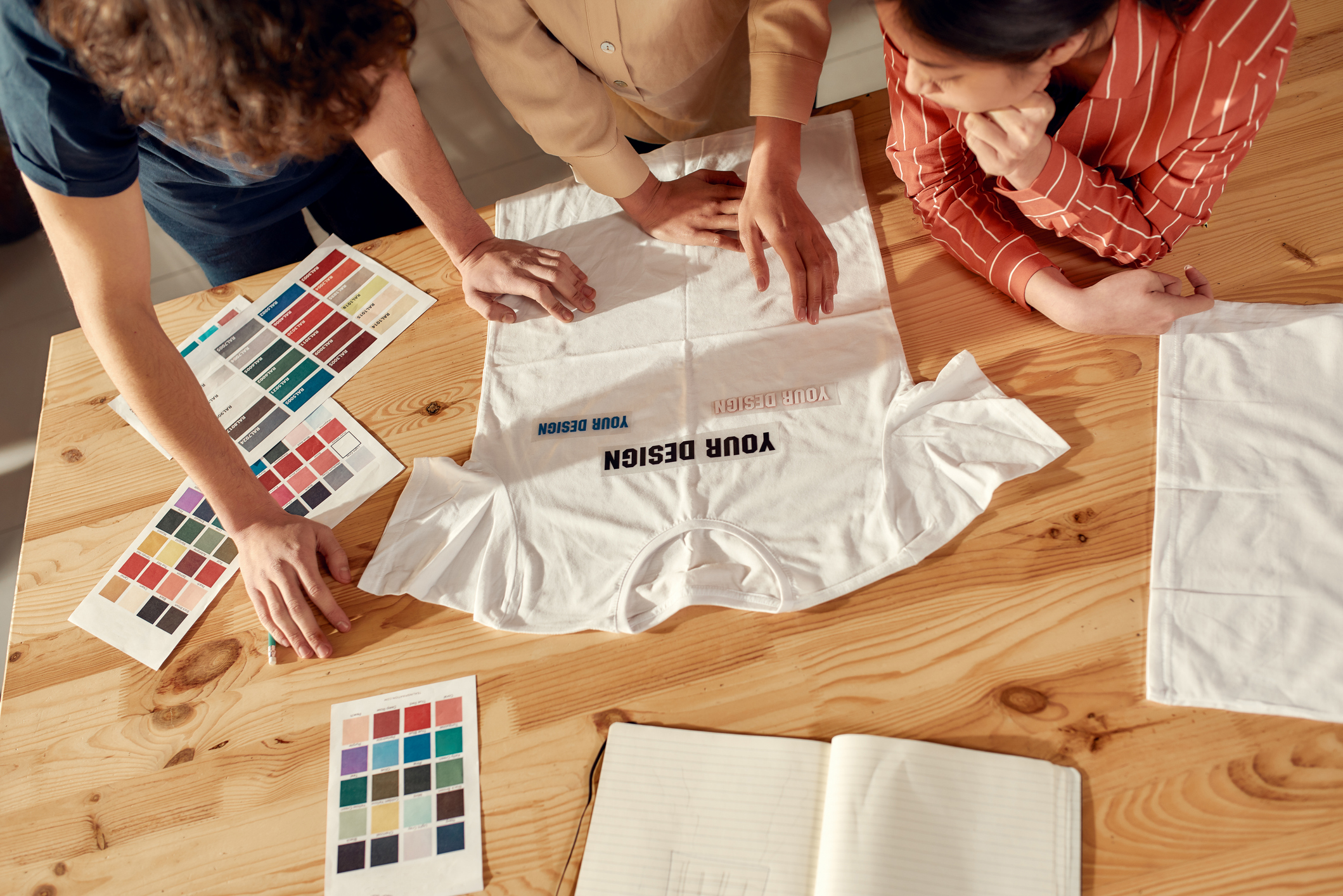
Another useful approach is to have the client print their logo and attach it to a blank garment so they can get a better sense of how large the decoration will look.
For larger clients or completely new projects, it can also make sense to do some testing before moving into full production. That extra bit of work at the beginning can prevent a much bigger problem later.
Understand the Decoration Method
This is where promotional apparel starts getting interesting. A logo isn't just a logo. How that logo gets onto the product matters.
Different decoration methods have different strengths, limitations, costs and applications, so choosing the right process starts with understanding the product, artwork, quantity and intended use.
Embroidery
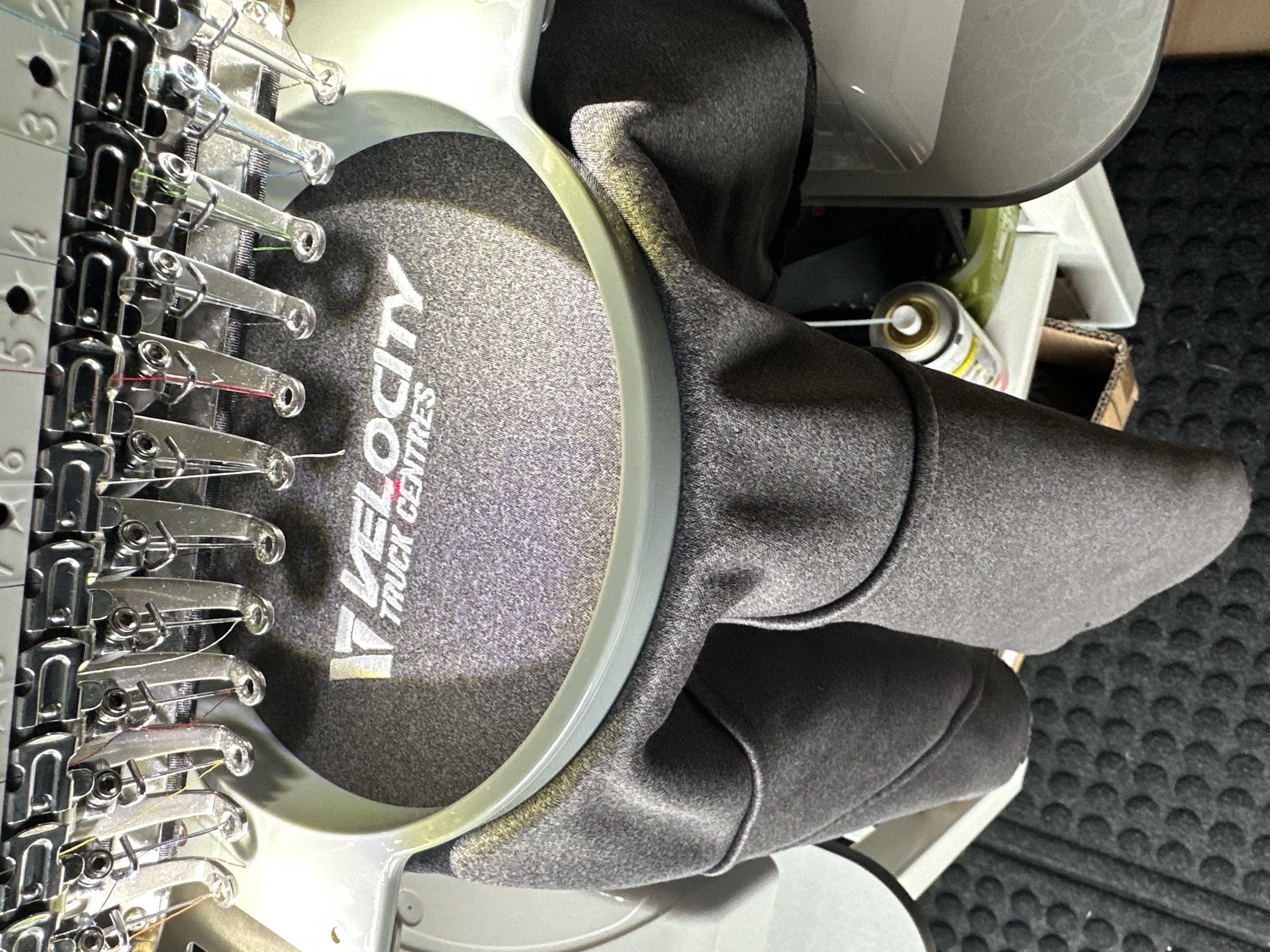
Embroidery uses thread to create a durable, professional-looking design and is particularly well suited to hats, polos, jackets and uniforms. It has a high-end appearance and is long lasting, but very fine details aren't always suitable for embroidery.
There's another important consideration for beginners: pull thread compensation. Looser fabrics can behave differently during embroidery, which can result in some variation from piece to piece. For first-time production, a sew-out can be an important part of the approval process.
That's the kind of detail that isn't necessarily obvious when you're simply looking at a product catalogue.
Screen Printing
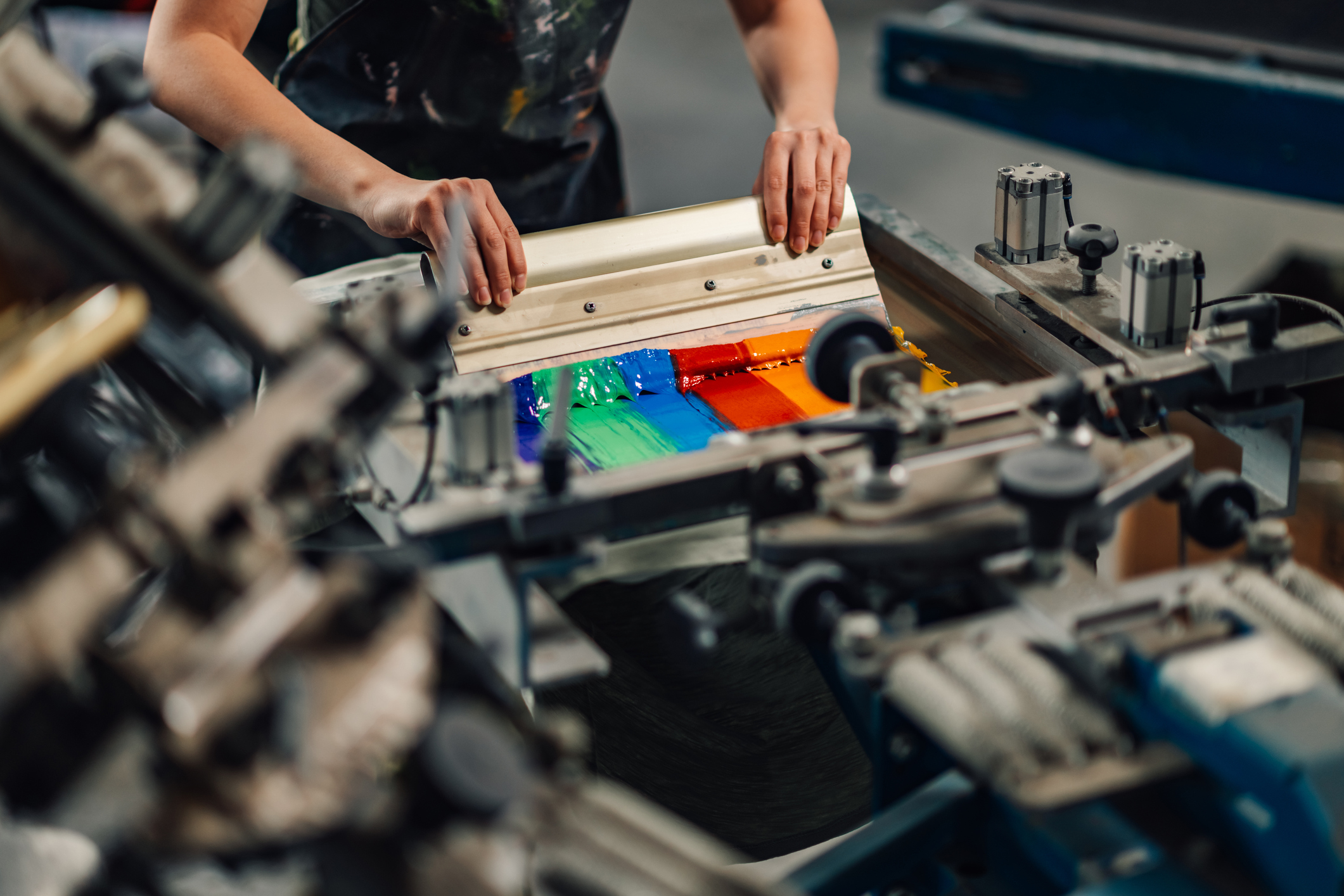
Screen printing is a great choice for apparel, tote bags and larger-volume orders, particularly when the artwork uses bold, solid colours. It's generally not the first choice for gradients or complex full-colour photographic artwork.
For a beginner, the important takeaway is that you shouldn't choose the decoration method before you understand the artwork and the quantity.
Heat Transfer
Heat transfer is useful for smaller runs, intricate designs and full-colour artwork, and can work across a variety of fabrics. However, it has different durability characteristics than embroidery or screen printing. The artwork sits on the exterior of the fabric, and the source material notes that it can begin to crack after repeated washing.
Again, it's about matching the process to the application.
Pad Printing
Need to decorate a pen, mug or another small, irregular item? That's where pad printing can make sense. It uses a silicone pad to transfer ink onto the product and is particularly suited to smaller items and simpler one- or two-colour designs.
Dye Sublimation
Dye sublimation is another process worth understanding, particularly when you're working with polyester apparel or specially coated products. Instead of simply sitting on top of the material, the dye becomes part of the material, making it useful for vibrant, all-over designs.
Appliqué
Appliqué uses pieces of fabric stitched onto a base material to create texture and dimension. It's particularly useful for larger, bold designs on jackets, jerseys, sweatshirts and similar apparel.
Know Which Decoration Method Fits the Job
Here's a quick way to think about the major options:
Decoration | Good For | Key Advantage | Watch For |
|---|---|---|---|
Embroidery | Hats, polos, jackets | Durable, professional look | Fine details |
Screen Printing | T-shirts, hoodies, bags | Cost-effective for larger runs | Number of colours |
Heat Transfer | Small runs, performance fabrics | Full colour and intricate designs | Long-term durability |
Pad Print | Pens, mugs, small items | Great for small products | Simpler artwork |
Dye Sublimation | Polyester apparel, mugs | Vibrant, long-lasting colour | Requires suitable surfaces |
Appliqué | Jackets, jerseys, sweatshirts | Texture and dimension | Fine details |
The right answer isn't always the cheapest decoration method. It's the one that makes sense for the product, artwork, quantity and intended use.
Artwork Matters More Than You Think
Another common beginner mistake is waiting until the end to worry about artwork. Don't wait.
When you're requesting a quote, have the client supply whatever artwork is available, including vector logos, PNGs, images and fonts where applicable. The artwork can help determine whether the requested decoration size is realistic, whether the logo is too complicated for a particular decoration method and whether the selected product is appropriate.
That means artwork isn't simply something you hand off to production after the client has approved the quote.
Artwork can help determine the quote in the first place.
Don't Forget Minimum Order Quantities
Quantity seems straightforward until you run into an MOQ.
MOQ means minimum order quantity, and minimums can apply to both apparel and decoration. So if your client says, "We only need 17," don't automatically assume that 17 is a viable production quantity. Check with your supplier first.
It's a small detail, but it's exactly the sort of thing that can turn an apparently profitable order into a frustrating conversation with your client.
Your Quote Request Should Be Complete
A good quote request gives your supplier enough information to actually price the job accurately. At minimum, include the following:
Client information
Client name and number
Client contact email
Product information
Item number
Size and colour
Quantity
Decoration
Decoration method
Decoration colours
Decoration size
Decoration location
Artwork
Available artwork files
Delivery
Final delivery location
Required delivery date
This isn't bureaucracy for the sake of bureaucracy. It's how you make sure everyone is quoting the same job.
Build a Network of People Who Know the Industry
If you're new to promotional products, don't try to figure everything out yourself. The industry has a lot of suppliers, products, decoration processes and little technical details that take years to learn.
The cheat sheet itself recommends looking to experienced reps or asking knowledgeable people for help when you're unsure where to source an item or want to learn more. That's good advice.
Find someone who has been doing this for a while and ask questions. Learn why they chose one product over another, why they recommended embroidery instead of screen printing, why they requested a sew-out and why they asked about the delivery location before giving the client a price.
Those little lessons add up quickly.
The Best Promo Buyers Know What They Don't Know
You don't need to know every promotional product on the market when you're starting out. You do need to know what questions to ask.
The goal isn't to become an expert overnight. It's to build enough knowledge that you can recognize the important variables and know when it's time to bring in someone with more experience. The most expensive promo mistake isn't necessarily choosing the wrong mug or shirt. It's confidently quoting something without realizing there was a question you should have asked first.
Starting Out in Vancouver?
If you're getting into promotional products and apparel sourcing in the Vancouver market, take the time to learn the fundamentals before you start placing orders. Understand the products, decoration, artwork, minimums and timelines, and most importantly, learn from people who have already made the mistakes so you don't have to.
A little training at the beginning can save you a lot of headaches later. And in promotional products, knowing the basics isn't just helpful. It's part of the job.
New to promo and apparel sourcing? Talk to our team before you place your next order. We can help you choose the right products, decoration methods and production options for your project.