Which Promotional Products Work Best for Giveaways?
I've seen companies spend thousands on giveaway items that ended up in a trash bin by the end of the event - not because the budget was wrong, but because the product was chosen for the wrong reason. The biggest mistake isn't overspending; it's choosing by price instead of purpose.
The short answer to which promotional products work best for giveaways: the ones that match your audience's lifestyle, solve a real problem, and look good enough that people actually want to use them. Everything else is secondary.
The Biggest Mistake Companies Make
Choosing a product based on price rather than purpose is how giveaway budgets get wasted.
A $2-per-person budget often sends companies straight to the cheapest pen or keychain they can find. But saving 50 cents per item means nothing if nobody wants the product. You've still spent the money, you just got nothing in return.
Before you look at a single price point, ask yourself: what do I want this giveaway to accomplish?
Brand awareness? Deeper engagement with key clients? Driving booth traffic? Once that question is answered, the right product category becomes much clearer - and the budget conversation becomes far more productive.
Which Promotional Products Give You the Best Return?
When it comes to which promotional products work best for giveaways in terms of value versus cost, three categories consistently come out on top.
Drinkware - tumblers, travel mugs, water bottles - carries high perceived value at almost any price point. People use them daily, which means your logo gets daily exposure without additional spend. You can browse custom drinkware options to see what fits your campaign.
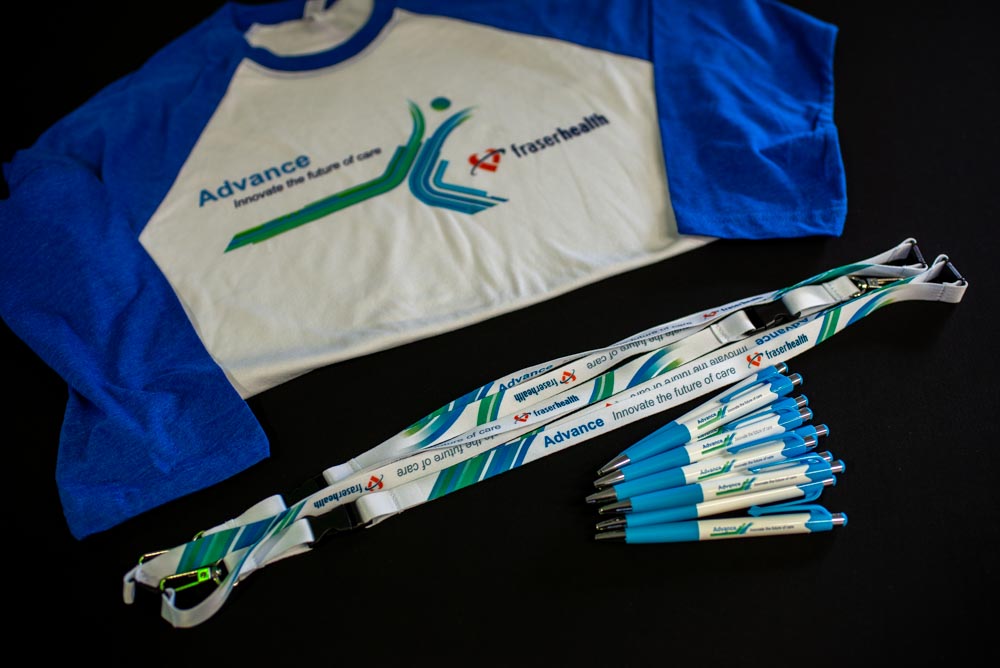
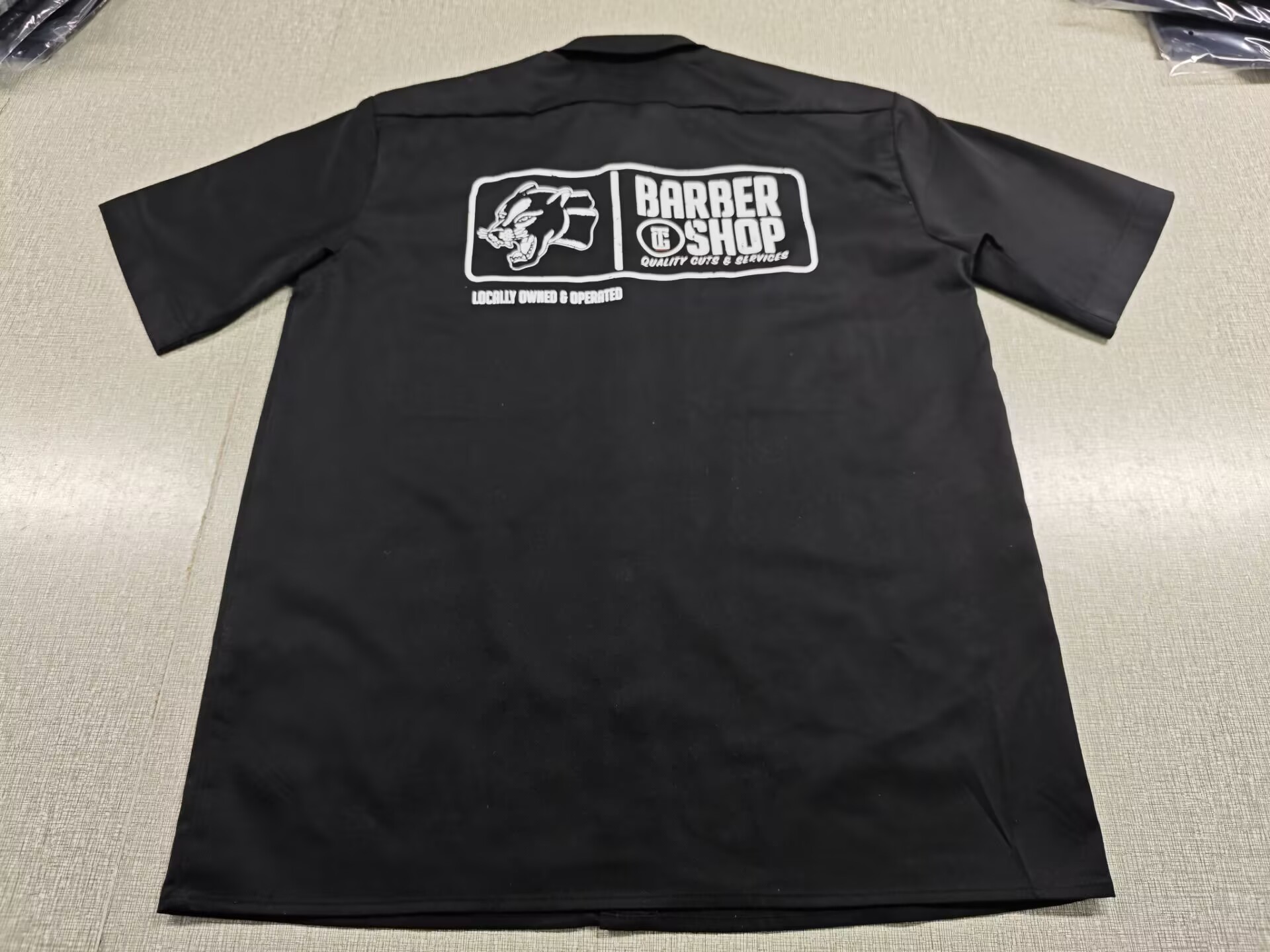
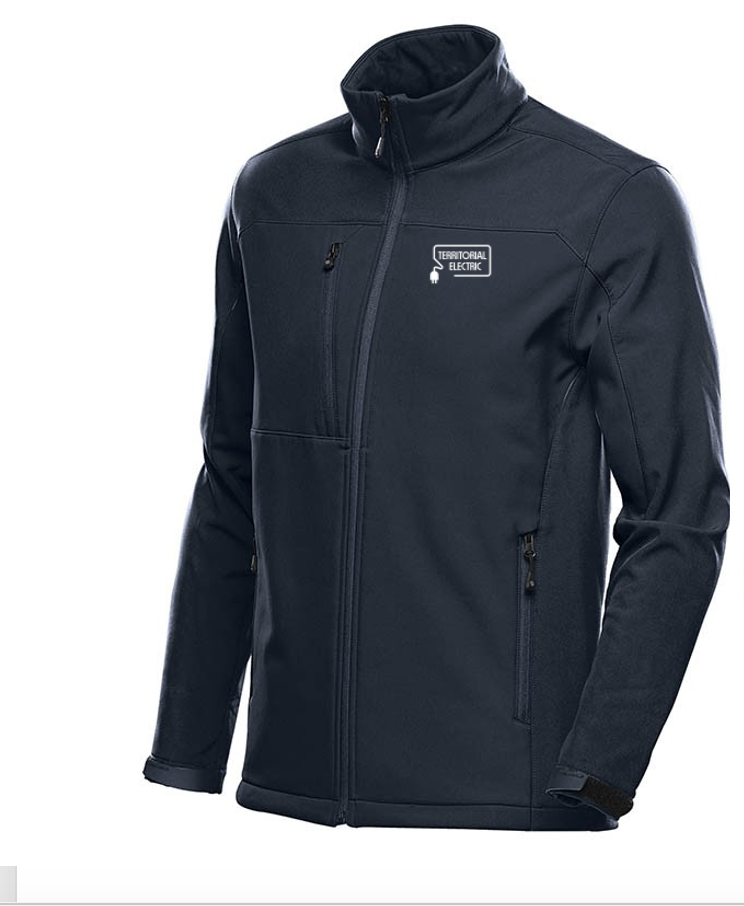
Apparel generates thousands of impressions over a product's lifetime, but only if people actually want to wear it. A well-designed hoodie, T-shirt, or cap that fits into someone's regular wardrobe is one of the most powerful brand tools available. Generic, boxy apparel with an oversized logo stays in the drawer. Design quality is what determines whether custom branded apparel gets worn in public or not.
Bags - totes, backpacks, functional carriers have a unique advantage: they travel. A bag picked up at a conference goes to the grocery store, the gym, the office. That mobile visibility is hard to replicate with smaller items. Explore branded bags and totes for options suited to different event types.
What "Choose Useful Items" Actually Means
"Be useful" gets repeated constantly in this industry and means almost nothing on its own. Usefulness isn't a product feature, it's a relationship between the product and the person receiving it.
A blanket seems impractical as a trade show giveaway until you're handing them out at an outdoor autumn event and everyone is cold. Charging accessories seem expensive until you realize half your audience is constantly hunting for power at conferences. Cooler bags seem like overkill until recipients start using them every weekend.
The test I use: will this product solve a real problem the recipient has in their daily life, or at the event itself? If yes, you have a useful product. If you're stretching to justify it, keep looking.
Matching Products to Your Audience and Industry
Audience alignment is everything. A tech startup and a fitness brand have completely different giveaway opportunities even at the same budget.
Tech and software audiences respond well to products that fit a desk, home office, or connected lifestyle: premium drinkware, charging accessories, quality backpacks, notebooks, and clean apparel. These recipients work in environments where a sleek, functional product gets used daily.
Fitness brands have a natural opportunity with water bottles, gym bags, towels, caps, and performance apparel. These items reinforce brand identity without feeling forced.
Construction and industrial companies benefit from durability above everything. Insulated drinkware, outdoor gear, and practical workwear speak directly to how their audience lives and works. A flimsy notebook doesn't land well in that context.
Professional services firms - law firms, accountants, consultants - should lean toward higher-quality office products, travel accessories, or client-gifting items. A premium product signals attention to detail; a cheap one communicates the opposite.
When you match the product to the recipient's lifestyle, they don't just keep it, they associate using it with your brand.
Design Matters as Much as the Product Itself
A well-designed product at a mid-range price point will outperform a premium product with poor decoration almost every time.
A subtle, well-placed logo on a quality item gets more daily use than a massive logo dominating the front of a mediocre one. When the design feels intentional rather than branded-for-the-sake-of-branding, recipients treat the product as something they own - not something they received at an event.
Investing in better decoration, better colour choices, and stronger overall design is often the difference between a product that becomes part of someone's daily routine and one that gets left on the table.
What's Changed in the Canadian Market
Recipients across Canadian markets are far more aware of quality, sustainability, and whether a product is actually useful. Cheap plastic items and throwaway giveaways land very differently than they once did, and in some cases, a low-quality item can actively damage brand perception.
What's growing in demand:
Better-quality apparel that people would buy themselves
Reusable drinkware that replaces single-use options
Sustainable products made with recycled or responsibly sourced materials
Practical bags used well beyond the day of the event
The shift isn't necessarily toward spending more per item - it's toward being more thoughtful about what the item communicates. Brands that treat giveaways as an afterthought risk signalling that they don't take their own brand seriously.
How to Maximize Impact on a Limited Budget
A limited budget isn't a barrier to an effective giveaway, a lack of focus is.
Decide what you want the giveaway to accomplish before you look at a single product. That step alone eliminates most bad decisions.
If the goal is broad brand awareness, choose a lower-cost item with high impressions: a tote bag, water bottle, or well-made pen. These items travel, get seen repeatedly, and keep your brand visible without a large per-unit spend.
If the goal is deeper engagement with a specific group - key clients, VIP attendees, top prospects - a smaller quantity of a higher-quality item will almost always outperform a large quantity of something forgettable.
Don't try to give everyone everything. Splitting a limited budget across multiple mediocre items is almost always worse than concentrating it on one strong product the right people will actually keep.
Quick-Reference Guide: Best Products by Giveaway Type
Trade shows and conferences:
Tote bags and backpacks (useful on-site and easy to carry home)
Drinkware (used during the event and kept afterward)
Charging accessories (solve a real problem in real time)
Notebooks (practical, high-visibility on the show floor)
Corporate client gifts:
Premium drinkware or insulated tumblers
Quality branded apparel
Travel accessories or branded kits
Community events and brand awareness campaigns:
Tote bags (wide appeal, high impressions, accessible price)
Water bottles and caps (practical for a broad audience)
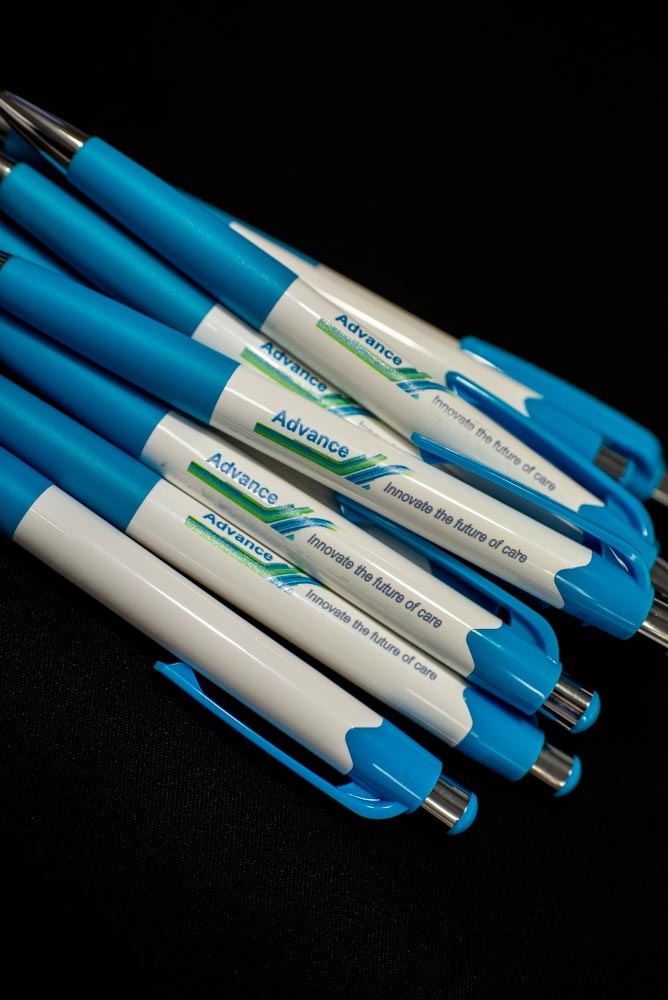
Pens (still one of the highest-impression items per dollar when chosen well)
The through-line across all three: match the product to what the recipient will actually do at the event and after it.
One Framework for Every Giveaway Decision
The answer to which promotional products work best for giveaways isn't a single product - it's a decision process.
Start with purpose, not price. Match the product to your audience's lifestyle and the event context. Treat design as seriously as the product itself. Define your goal before you set your budget.
Follow that framework and the right product becomes obvious - and your giveaway budget stops feeling like a sunk cost and starts working like a marketing tool.
If you'd like personalized recommendations based on your audience, event type, and budget, reach out directly. We're happy to help you narrow it down.