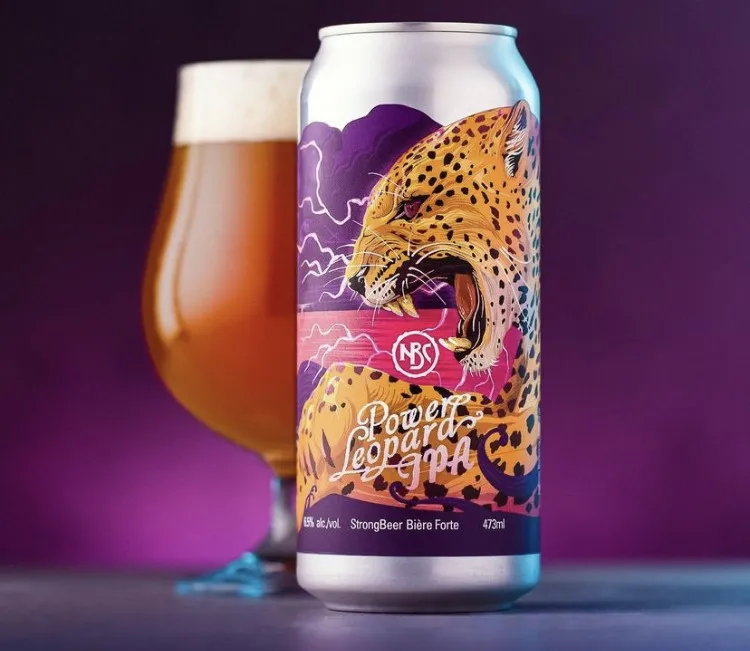
Custom Product Labels Vancouver: 10 Things to Know
Your label might be small, but its impact on your brand can be enormous.
Think about the last time you picked up a product because its packaging caught your eye. Maybe it was a craft beverage with a beautifully textured label, a skincare product with a clean, minimalist design, or a locally made food product that looked too good to pass up.
That's the power of a great label.
For businesses across Vancouver and the Lower Mainland, custom product labels do more than identify what's inside the package. They communicate quality, reinforce brand recognition and help products stand out in a competitive marketplace.
But creating an effective product label involves more than choosing an attractive design. Materials, adhesives, finishes, printing methods and application requirements all play important roles in how your finished product looks and performs.
Before placing your next custom product label order, here are 10 things your business should know to get the best results.
1. Not All Label Materials Are Created Equal
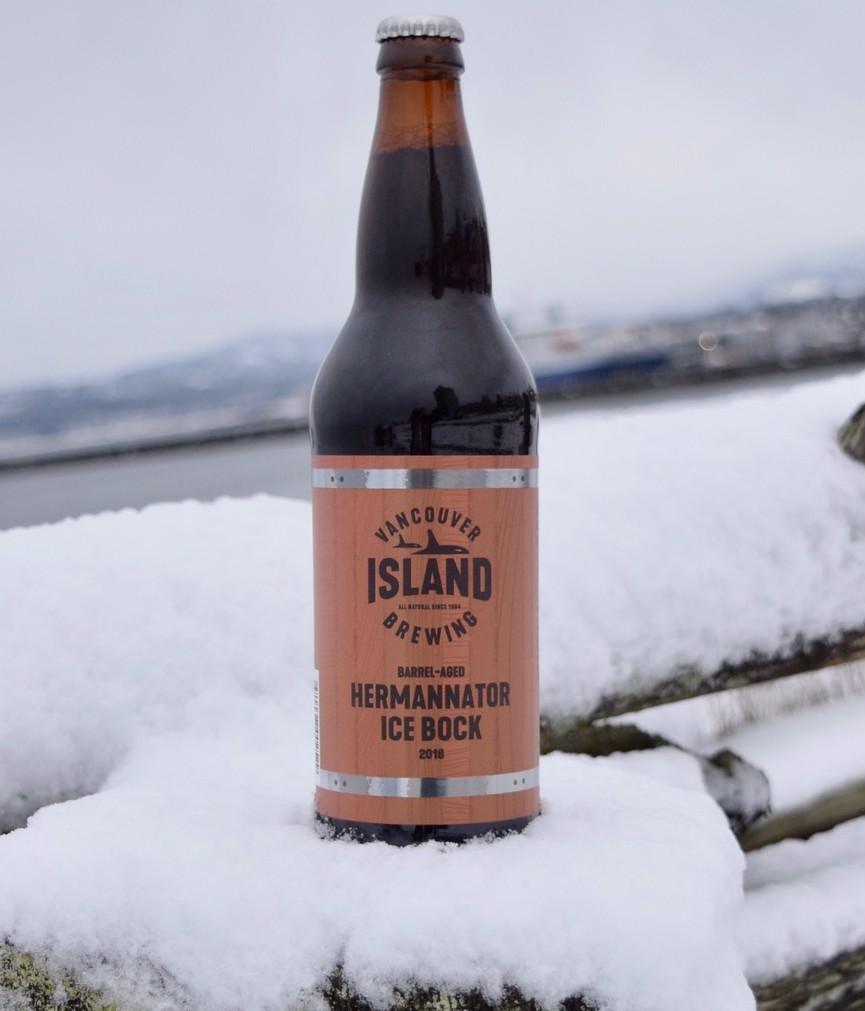
Paper, polypropylene, polyester and specialty materials each have different strengths and are suited to different applications.
A premium paper label might be perfect for a candle or gift product, but it may not hold up well on a refrigerated beverage exposed to condensation. Similarly, a product sold outdoors around Vancouver or throughout coastal British Columbia may need a label that can withstand moisture and changing environmental conditions.
Ask yourself:
Will the product be exposed to moisture or condensation?
Does the label need to withstand oils, chemicals or frequent handling?
Will the packaging be stored outdoors or in direct sunlight?
Is a premium texture or specialty finish important to the overall presentation?
WX Tip: Choose your label material based on where and how your product will be used, not just how it looks on the shelf. The right material can help your labels maintain their appearance throughout storage, transportation and use.
2. Your Adhesive Matters Just as Much as Your Label
A beautifully printed label won't do much for your brand if it starts peeling off.
Different adhesives are designed for specific applications, including permanent, removable, freezer-grade and other specialty uses. The right choice depends on the surface, application conditions and environment in which your product will be stored or used.
For example, a label applied to a cold container may require a different adhesive than one applied to a clean, room-temperature cardboard box.
WX Tip: Tell your label supplier what surface you're applying the label to, the temperature at application and the conditions the product will experience afterward. Whether you're labelling beverage bottles, food containers or retail packaging, these details can make a significant difference.
3. The Cheapest Label Isn't Always the Most Affordable
When comparing custom label quotes, it's tempting to focus entirely on the price per thousand. However, the initial price doesn't always reflect the true cost of your labels.
A less expensive label that wrinkles, tears, fades or fails during application could end up costing significantly more through wasted materials, production delays and product rework.
When evaluating suppliers, consider the overall value, including:
Print quality and colour consistency
Material durability and adhesive performance
Application efficiency and production waste
Reliable turnaround times
Consistent quality on repeat orders
WX Tip: Look beyond the unit price. The best label is one that performs consistently from production through to the customer's hands, helping your business avoid unnecessary costs and maintain a professional presentation.
4. Your Label Needs to Work With Your Packaging
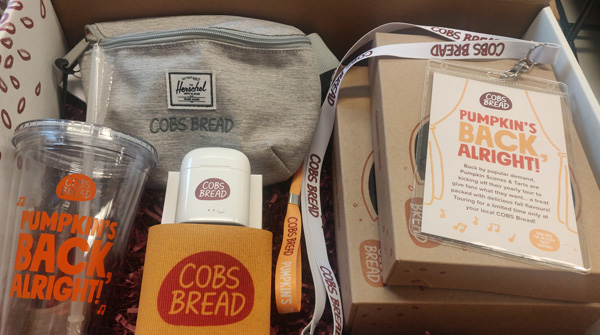
Curved bottles, tapered containers, flexible pouches and textured surfaces can all present unique labelling challenges.
A label designed for a flat surface may wrinkle or lift when applied to a curved container. Similarly, the shape and material of your packaging can affect how well the label adheres and how smoothly it applies.
For businesses using automatic labelling equipment, even the direction a label feeds through an applicator can influence how it needs to be manufactured.
WX Tip: Before finalizing your artwork, provide your supplier with your container dimensions, shape and application method. Testing a physical sample on your actual packaging can help prevent costly surprises once production begins.
5. The Right Finish Can Make Your Product Stand Out
Your label's finish influences how customers perceive your brand. The right choice can reinforce your positioning, complement your packaging and help your product stand out on retail shelves across Vancouver and beyond.
Consider these popular options:
Matte: Understated, sophisticated and contemporary.
Gloss: Enhances colour vibrancy with a reflective appearance.
Soft-touch: Creates a premium, velvety tactile experience.
Metallic effects: Adds eye-catching highlights for premium products.
Textured materials: Delivers a distinctive handcrafted or natural appearance.
Whether you're developing packaging for craft beverages, specialty foods, health and beauty products or retail merchandise, the finish should complement your product and appeal to your target customer.
WX Tip: Consider your audience and your product's price point. A premium finish can enhance perceived value, but it should support your brand rather than overwhelm it.
6. Short Runs and Long Runs Have Different Advantages
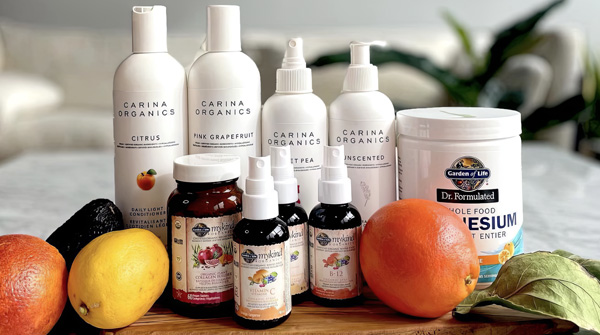
Not every business needs 100,000 labels at once. If you're launching a new product, testing a seasonal flavour or producing multiple product variations, smaller quantities may make more sense.
For established products with consistent demand, larger production runs may offer better economies of scale. The most cost-effective option depends on your order volume, artwork, production requirements and how frequently you expect to reorder.
Digital and conventional printing methods each offer advantages depending on the quantity, design and intended application.
WX Tip: Ask about the most economical production method for your current volume and anticipated growth. If you're planning to introduce new products or expand distribution across British Columbia, discussing your future requirements early can help you make smarter purchasing decisions.
7. Colour Consistency Is Critical to Brand Recognition
Imagine your signature brand colour appearing differently across your product line. One label is bright red, another is slightly orange, and a third is noticeably darker.
Individually, the differences might seem minor. Together, they can weaken your brand's visual consistency and make your packaging look less professional.
Materials, printing processes, finishes and colour specifications can all influence the final appearance. Maintaining consistency becomes particularly important when you're producing multiple product variations or reordering labels over time.
WX Tip: Provide established brand colour references, approved artwork and physical samples whenever possible. For colour-critical projects, discuss proofing and acceptable colour tolerances with your printer before production.
8. Don't Forget About Label Regulations
Depending on your industry and where your products are sold, your labels may need to include specific information to meet applicable regulations.
Food, beverage, cosmetic, chemical and other regulated products can have different labelling requirements. In Canada, these may include ingredient declarations, bilingual information, net quantity, warnings and other mandatory details.
Businesses selling products in British Columbia should consider the requirements that apply not only to their product category but also to their intended markets. A label that looks fantastic but fails to meet applicable requirements can create expensive problems.
WX Tip: Confirm your industry's labelling requirements before approving artwork. Your printer can help with production considerations, but regulatory compliance should be verified with the appropriate qualified professional.
9. Design Your Labels for Real-World Production
A design that looks incredible on a computer screen doesn't always translate perfectly to print.
Tiny text, intricate details, insufficient contrast and artwork without proper bleed can all create production problems. Incorrect dimensions or poorly prepared files may also lead to delays and additional costs.
Before submitting your files, confirm that:
Your artwork uses the correct dimensions and dieline.
Fonts and images are suitable for high-quality printing.
Important information stays within safe margins.
Bleed is included where required.
Barcodes and QR codes are sized correctly and tested.
Colours and artwork match your approved brand specifications.
WX Tip: Involve your print supplier early in the design process. A quick production review can save time, reduce revisions and help ensure your finished labels look as intended.
10. Choose a Label Partner Who Can Grow With You
Your labelling requirements today might look very different a year from now. You may introduce new product lines, expand into additional retail locations, increase production volumes or begin distributing products to customers across Canada.
Working with a supplier who understands both short-run and high-volume label production can make scaling your business easier. A reliable partner can also help you evaluate materials, select suitable printing methods, plan production and maintain consistency across repeat orders.
For Vancouver-area businesses, having access to dependable label production and knowledgeable support can help simplify purchasing and keep product launches on track.
WX Tip: Don't just ask whether a supplier can print your labels. Ask how they can help you maintain quality, manage growth and simplify future orders as your business evolves.
Great Labels Do More Than Identify Your Product
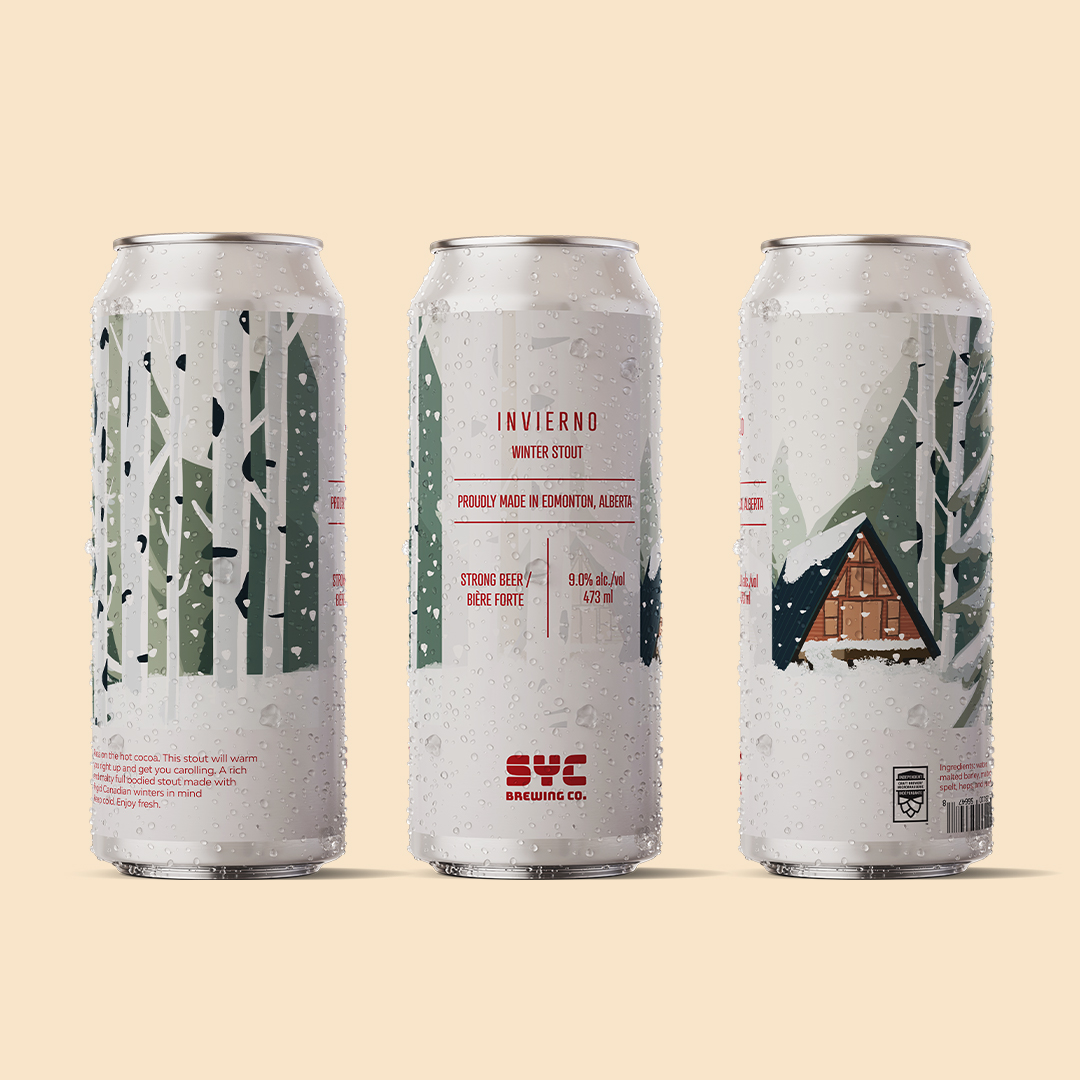
The right labels communicate quality, reinforce brand recognition, present important product information and help influence purchasing decisions.
For businesses in Vancouver and the Lower Mainland, investing in the right combination of design, materials, adhesive and printing expertise can turn an ordinary label into a valuable branding tool.
At Westkey Xibita, we understand that every label has a job to do. Whether you're launching a new product, refreshing your packaging or managing established product lines, our team can help you explore custom label solutions that balance appearance, performance and value.
From food and beverage packaging to health and beauty products, industrial applications and retail branding, choosing the right labels starts with understanding your product, your customers and how your labels need to perform.
Get Your Free Custom Label Ordering Checklist
Planning your next label order? Make sure you've covered all the details before sending your artwork to print.
Download our Custom Label Ordering Checklist for a handy reference covering label materials, adhesives, finishes, sizing, artwork requirements and more. Whether you're ordering labels for food and beverage packaging, health and beauty products or retail merchandise, this checklist will help you ask the right questions and avoid costly surprises.
Get your next custom label order right from the start.
Ready to Make Your Labels Work Harder?
From short-run projects to large-volume production, Westkey Xibita helps businesses bring their brands to life with custom labelling solutions tailored to their needs.
Contact Westkey Xibita to discuss your next custom product label project.
Visit westkeyxibita.com to learn more about our custom label printing services.