
What’s My Trade Show Budget? What Can I Expect?
If you're planning to exhibit at a trade show, one of the first questions you'll ask is, “How much should I budget?” In most cases, what people are really asking is how to build a realistic trade show budget that covers everything - not just the booth itself.
Because the truth is simple: your trade show budget is about far more than the display on the show floor. It includes logistics, staffing, travel, services, and follow-up. When all of these pieces are considered together, the total investment is often significantly higher than companies initially expect.
The good news is that once you understand how a trade show budget is structured, it becomes much easier to plan, control costs, and maximize return on investment.
The Biggest Trade Show Budget Mistake Companies Make
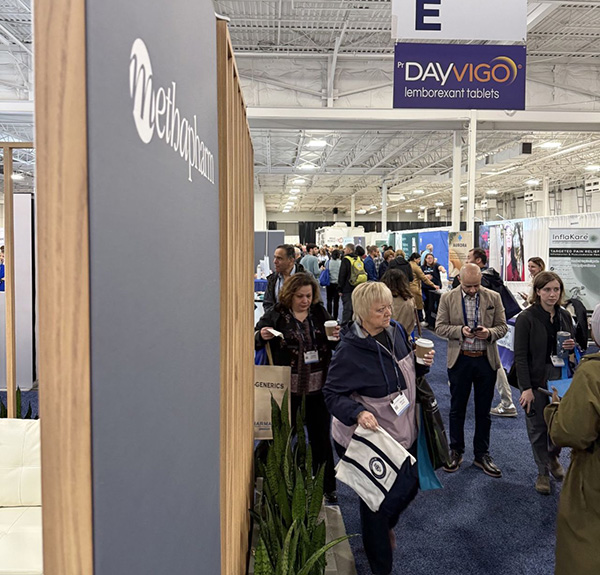
One of the most common mistakes when building a trade show budget is focusing only on the exhibit itself. Companies invest heavily in a custom booth or rental display, then realize too late that the booth is only one part of the total cost.
The exhibit is the starting line, not the finish line.
A realistic trade show budget also needs to account for shipping, installation and dismantle (I&D), electrical services, internet, flooring, drayage, storage, staffing, travel, and more. When these costs are overlooked, companies are often forced to adjust on the fly - which can directly impact performance on the show floor.
When a Trade Show Budget Backfires
Consider a mid-sized company that sets a trade show budget of $30,000 for a striking custom exhibit. The design looks incredible, the marketing team is excited, and expectations are high.
Then the show arrives.
In an attempt to stay within budget, the company cuts professional installation from the trade show budget, assigning setup to a sales rep instead. By early morning, they're assembling the booth under pressure, racing to finish before attendees arrive.
By opening time, fatigue has already set in. A panel is slightly misaligned, a corner is damaged, and the team is already behind before the first conversation even begins.
The booth looked great in the renderings, but the reality is that a poorly planned trade show budget can undermine the entire experience.
The Hidden Costs in a Trade Show Budget
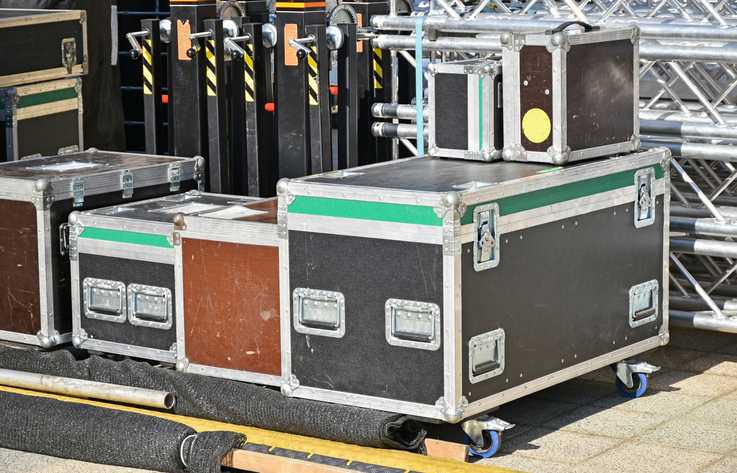
Every experienced exhibitor eventually learns that one of the biggest surprises in a trade show budget is how many “invisible” costs exist beyond the booth itself.
Drayage is one of the most commonly misunderstood expenses in a trade show budget. It is the fee charged to move your exhibit materials from the loading dock to your booth space inside the convention centre - and back again after the show.
Drayage alone can significantly impact your overall trade show budget, but it’s far from the only hidden cost.
Other commonly overlooked expenses include:
Electrical service
Internet and Wi-Fi
Carpet and flooring
Booth cleaning
Lead retrieval systems
Badge scanners
Storage during the event
Overtime labour
Return shipping
Flights, hotels, meals, and transportation
Employee time away from the office
When building a complete trade show budget, these operational costs are just as important as the booth design itself.
How Much Should Your Trade Show Budget Be?
There’s no universal number for a trade show budget, but most companies fall into predictable ranges based on size and goals.
Small businesses typically invest between $8,000 and $30,000 for a full trade show budget, often supporting a 10' x 10' or 10' x 20' booth. At this level, clarity of message matters more than booth size.
Mid-sized companies often build a trade show budget in the range of $35,000 to $70,000, allowing for a stronger presence and more flexible rental or hybrid exhibit solutions.
Large organizations frequently exceed a trade show budget of $100,000+, where the booth is just one part of a broader marketing and event strategy that includes sponsorships, hospitality, and large-scale activations.
Your Booth Doesn’t Generate ROI - Your Trade Show Budget Strategy Does
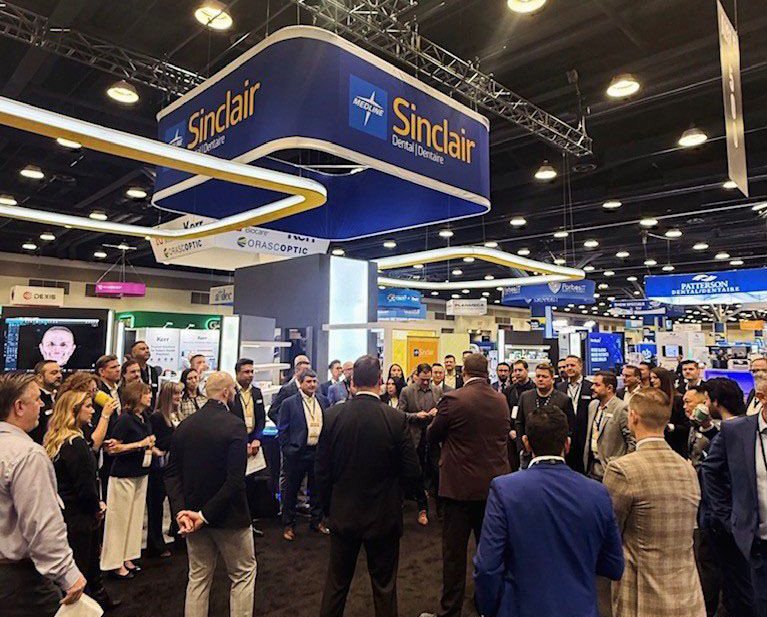
A well-planned trade show budget doesn’t guarantee results on its own, but a poorly planned one almost guarantees missed opportunities.
The booth gets you the meeting. The meeting drives the ROI.
Many companies spend their entire trade show budget optimizing visuals and structure, but very little on training the people who actually engage with attendees. Yet those first 20 seconds of conversation often determine whether a visitor becomes a qualified lead or simply walks past.
A well-prepared team working within a modest trade show budget will almost always outperform a poorly trained team in a high-end booth.
Winning on a Smaller Trade Show Budget
Success at trade shows isn’t always about having the largest trade show budget. In fact, some of the most effective exhibitors are the ones who focus their spending strategically rather than broadly.
They commit their trade show budget to one key event instead of spreading it across several. They build a targeted offer for a specific audience. They ensure follow-up happens within 24 hours of the show.
Even simple decisions - like matching branded apparel - can make a smaller trade show budget look significantly more polished and cohesive. More importantly, energy and engagement often outperform expensive design.
Booths with a strong atmosphere naturally attract more attention than booths that simply look expensive.
How to Measure Trade Show Budget Success
The effectiveness of your trade show budget shouldn’t be measured by how many badges were scanned or how busy the booth looked.
Instead, focus on outcomes that connect directly to revenue.
Track qualified conversations, cost per qualified lead, pipeline generated at 30, 60, and 90 days, and ultimately closed revenue tied back to the event. These metrics show whether your trade show budget is actually delivering return.
If you’re only measuring lead volume, you’re measuring activity - not performance.
Final Thoughts
A successful trade show budget is not about spending more - it’s about spending smarter. Companies that consistently see strong ROI are the ones that understand the full scope of their trade show budget before they ever arrive on the show floor.
They plan for logistics, invest in training, and prioritize follow-up just as much as design.
Because in the end, a trade show budget doesn’t create results on its own. People do.
Want help building a trade show budget that actually works for your next event? Talk to Westkey Xibita and we’ll help you plan it properly from day one.