
Trade Show Logistics: The Biggest Challenges Exhibitors Face (And How to Avoid Them)
The biggest pain point in trade show logistics isn’t just freight, timing, or even cost - it’s the compounding effect of small breakdowns across communication, visibility, and execution throughout the entire exhibit program lifecycle.
Most failures in trade show logistics don’t come from one catastrophic issue. They come from a chain reaction: a freight decision made without full program context, limited asset visibility inside the exhibit warehouse, or assumptions about timelines that don’t reflect how logistics actually moves in the real world. Timing is everything.
Take trade show shipping, for example. A simple “12-hour drive time” mindset ignores the reality of consolidation, depot handling, cross-docking, loading cycles, and last-minute program changes that directly affect truck configuration, routing, and timing. Unless you are paying for a premium service where your program has rented the entire truck, you will be sharing freight space, which means it doesn't follow a direct-to-show route.

In real trade show logistics operations, one of the most common breakdowns is simply not knowing where assets are or what condition they are in. Effective exhibit warehousing requires accurate inventory management, asset tracking, and condition reporting. Yet outdated graphics still get shipped because they’re “safe to send,” missing hardware arrives due to incomplete warehouse reporting, and damage is only discovered during installation - when correction is expensive or impossible without disruption.
The industry also consistently underestimates install timing and safety buffers in trade show logistics planning. Freight is not simply moving from point A to point B. It involves staging, consolidation, reworking bills of lading, and adapting to changes that often occur just before load-out. Less-than-truckload (LTL) shipping adds another layer of complexity to trade show freight management, where cost savings come at the expense of control, predictability, and priority handling. Dedicated trucks reduce risk but increase cost because you are effectively renting reliability and certainty.
What clients often misunderstand is the difference between “shipping exhibit materials” and running a complete trade show logistics and warehousing program. One is transactional. The other is operational choreography across dispatch, drivers, warehouse teams, installers, and project managers - all aligned to a single show outcome.
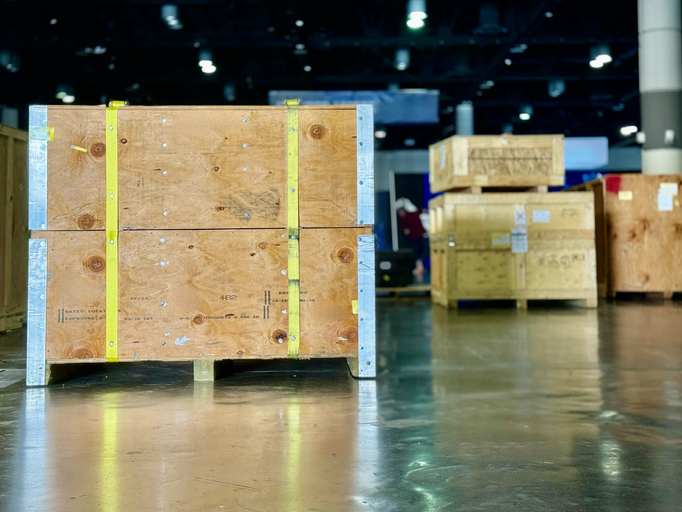
Successful exhibit logistics programs rely on complete visibility across assets, schedules, transportation, and labour. Whether you're moving a small booth or managing a national exhibit program, the coordination required between transportation providers, warehouses, and installation crews is significant. This is where experienced event logistics services providers create value by reducing risk and maintaining accountability across every stage of the process.
The operational reality is that success in trade show logistics usually comes down to process discipline: photo verification before shipment, full inventory control, pre- and post-show packing audits, standardized packing lists, consistent installation teams, and detailed setup manuals. Strong trade show warehouse management practices ensure assets are properly stored, maintained, and prepared for future events. When these systems are in place, failure rates drop significantly - but they require consistency, investment, and accountability.
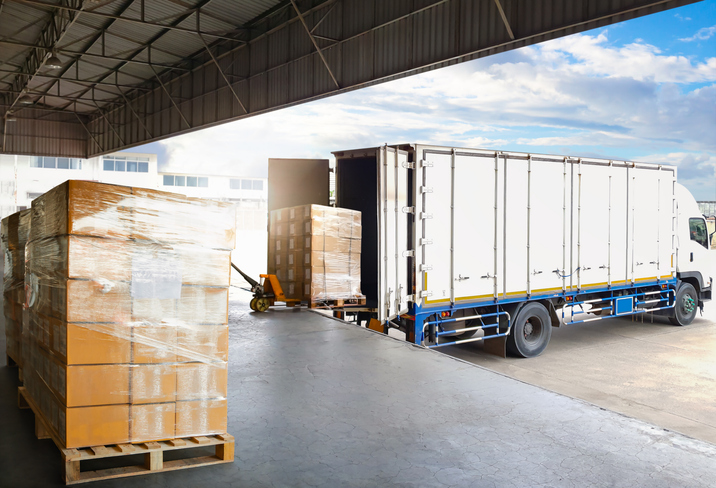
Another critical component is exhibit transportation. Even the best-designed exhibit can experience delays, damage, or missing components if transportation planning is not properly managed. Coordinating routes, freight classifications, loading schedules, and venue requirements requires expertise that goes far beyond standard shipping practices.
And that leads to the final misconception: cost.
Premium trade show logistics services are not expensive because of margin - they are expensive because they are managing risk across a complex supply chain. White-glove execution means teams are physically verifying freight, confirming condition, coordinating every handoff, and actively communicating from dispatch through install. Drivers, warehouse teams, and project managers are all aligned to ensure execution is controlled end-to-end.
In short, trade show logistics fails when it is treated like simple shipping. It succeeds when it is treated as a managed, end-to-end system that combines trade show freight, exhibit warehousing, exhibit transportation, and professional execution to deliver reliable results at scale.
Don't Leave Your Next Show to Chance
Reliable trade show logistics starts with the right partner. Let Westkey Xibita handle your exhibit warehousing, shipping, and logistics so you can focus on making an impact on the show floor.